Introduction
Animal testing in cosmetics has a long and controversial history. Understanding this history is essential to appreciate the progress made and the challenges that remain. This blog delves into the origins, evolution, and current state of animal testing in the cosmetic industry.
Early Beginnings
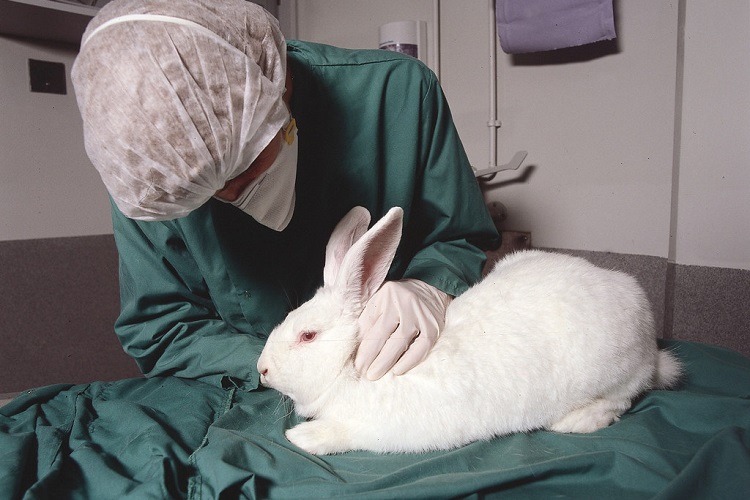
The roots of animal testing in cosmetics can be traced back to the early 20th century. As the cosmetic industry began to flourish, the need to ensure product safety became paramount. This led to the development of various testing methods, including the notorious Draize test in the 1940s, where chemicals were applied to the eyes or skin of rabbits to assess irritation.

Mid-20th Century Developments
During the mid-20th century, animal testing became more standardized. The cosmetic industry's rapid growth resulted in an increased demand for safety testing. This period saw the establishment of numerous animal testing protocols aimed at ensuring that products were safe for human use. However, these tests often involved significant animal suffering and led to growing public concern.
Rise of Ethical Concerns
The 1980s and 1990s marked a turning point as awareness of animal rights began to rise. Activists and organizations such as PETA and Cruelty-Free International campaigned vigorously against animal testing. Public protests, awareness campaigns, and the publication of disturbing images and videos from testing laboratories brought the issue into the spotlight.
Legislative Changes
The growing public outcry led to significant legislative changes in the late 20th and early 21st centuries. In 2004, the European Union introduced a ban on animal testing for cosmetic products, followed by a ban on the sale of animal-tested cosmetics in 2013. This landmark decision set a precedent and inspired other countries to consider similar legislation.
Global Perspective
Despite progress in some regions, animal testing remains a common practice in many parts of the world. In the United States, while there are no federal bans, some states like California have implemented their own restrictions. China, on the other hand, mandates animal testing for foreign cosmetics, though recent reforms have introduced some exemptions for non-special use cosmetics.
Technological Advances
The development of alternative testing methods has played a crucial role in reducing reliance on animal testing. In-vitro testing, using human cells and tissues, has proven to be a reliable and humane alternative. Additionally, advancements in computer modeling and other in-silico methods have further decreased the need for animal subjects.
The Road Ahead
The journey towards a completely cruelty-free cosmetic industry is ongoing. While significant progress has been made, millions of animals are still used in testing worldwide. Continued advocacy, research into alternative methods, and stricter regulations are essential to achieving this goal.

Conclusion
The history of animal testing in cosmetics is a testament to the evolving understanding of ethics and scientific practices. From its early beginnings to the current push for cruelty-free alternatives, the journey highlights the importance of continued efforts to end animal suffering. By supporting cruelty-free brands and advocating for legislative changes, consumers can play a pivotal role in shaping a more humane future for the cosmetic industry.



No comments:
Post a Comment