Introduction
The beauty industry, a multi-billion-dollar behemoth, is often associated with glamour and allure. However, behind this facade lies a darker reality: the widespread use of animal testing. Despite advancements in science and technology, animal testing remains a prevalent practice in the cosmetic industry. This blog provides an overview of animal testing, its implications, and the ongoing fight to end this practice.

Historical Context
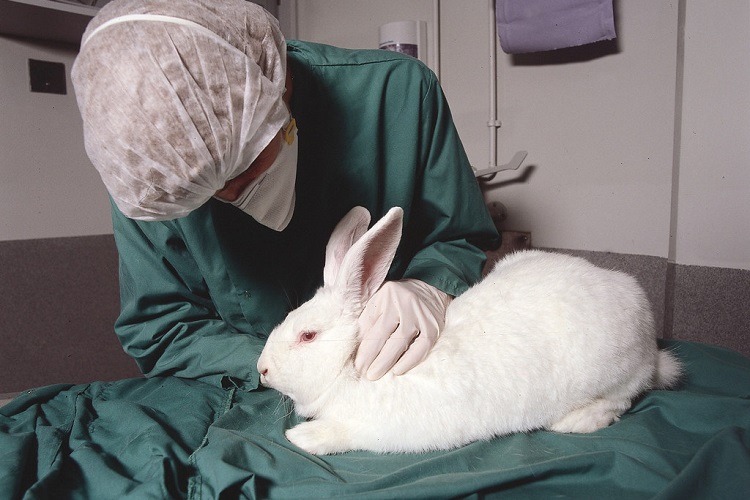
Animal testing in cosmetics began in the early 20th century as a means to ensure product safety. The infamous Draize test, developed in the 1940s, involves applying substances to the eyes or skin of rabbits to observe potential irritation or damage. Despite the cruelty involved, this and other tests became standard practice for assessing the safety of new cosmetic products and ingredients.
Current Practices
Today, millions of animals, including rabbits, mice, rats, and guinea pigs, are subjected to various forms of testing. These animals endure painful procedures, such as force-feeding, skin application of chemicals, and inhalation of toxic substances. After the tests, many are euthanized. The primary goal is to evaluate potential risks like skin irritation, eye damage, and toxicity.
Ethical Concerns
The ethical implications of animal testing are profound. Animals used in laboratories suffer immensely, living in confined spaces and enduring painful procedures without any form of anesthesia. Critics argue that this is not only cruel but also unnecessary, given the availability of alternative testing methods.

Ineffectiveness of Animal Testing
Moreover, animal testing is often criticized for its ineffectiveness. Animals react differently to substances compared to humans, making it difficult to accurately predict human responses. Studies have shown that up to 90% of drugs tested successfully on animals fail in human trials, raising questions about the reliability of animal testing for cosmetics as well.
Alternatives to Animal Testing
Advancements in science have paved the way for more humane and reliable alternatives. In-vitro testing, which uses human cells and tissues, provides accurate results without the need for animal subjects. Computer modeling, or in-silico methods, can simulate human biology and predict the toxicity of substances. These methods are not only more ethical but also more cost-effective and efficient.
Legislative Progress
Several countries have recognized the ethical and scientific issues surrounding animal testing and have implemented bans or restrictions. The European Union, for instance, has banned animal testing for cosmetics since 2013. Other countries, including India, Israel, and Norway, have followed suit. However, in many parts of the world, including the United States and China, animal testing remains legal and is sometimes even mandatory.
The Role of Consumers
Consumers play a crucial role in driving change. By choosing cruelty-free products and supporting brands that do not test on animals, consumers can pressure companies to adopt humane practices. Many organizations, such as Cruelty-Free International and PETA, provide resources to help consumers make informed choices.
Conclusion
The fight against animal testing in cosmetics is far from over. While progress has been made, millions of animals continue to suffer in laboratories around the world. It is imperative for consumers, policymakers, and the cosmetic industry to work together to end this cruel practice and embrace more humane and effective alternatives.



No comments:
Post a Comment