Introduction
Animal testing in cosmetics involves a range of procedures designed to evaluate the safety and efficacy of products and ingredients. This blog explores the common types of tests conducted on animals, their impact, and the ethical considerations surrounding them.
Skin Absorption or Dermal Penetration
One of the most common tests is the dermal penetration test, used to determine how a substance penetrates the skin and what happens once it is absorbed. Typically, rats have their backs shaved, and chemicals are applied to their skin. The animals are later euthanized for tissue analysis. This test is not only painful but also often unnecessary given the availability of alternative methods.
.jpg)
Skin Sensitization
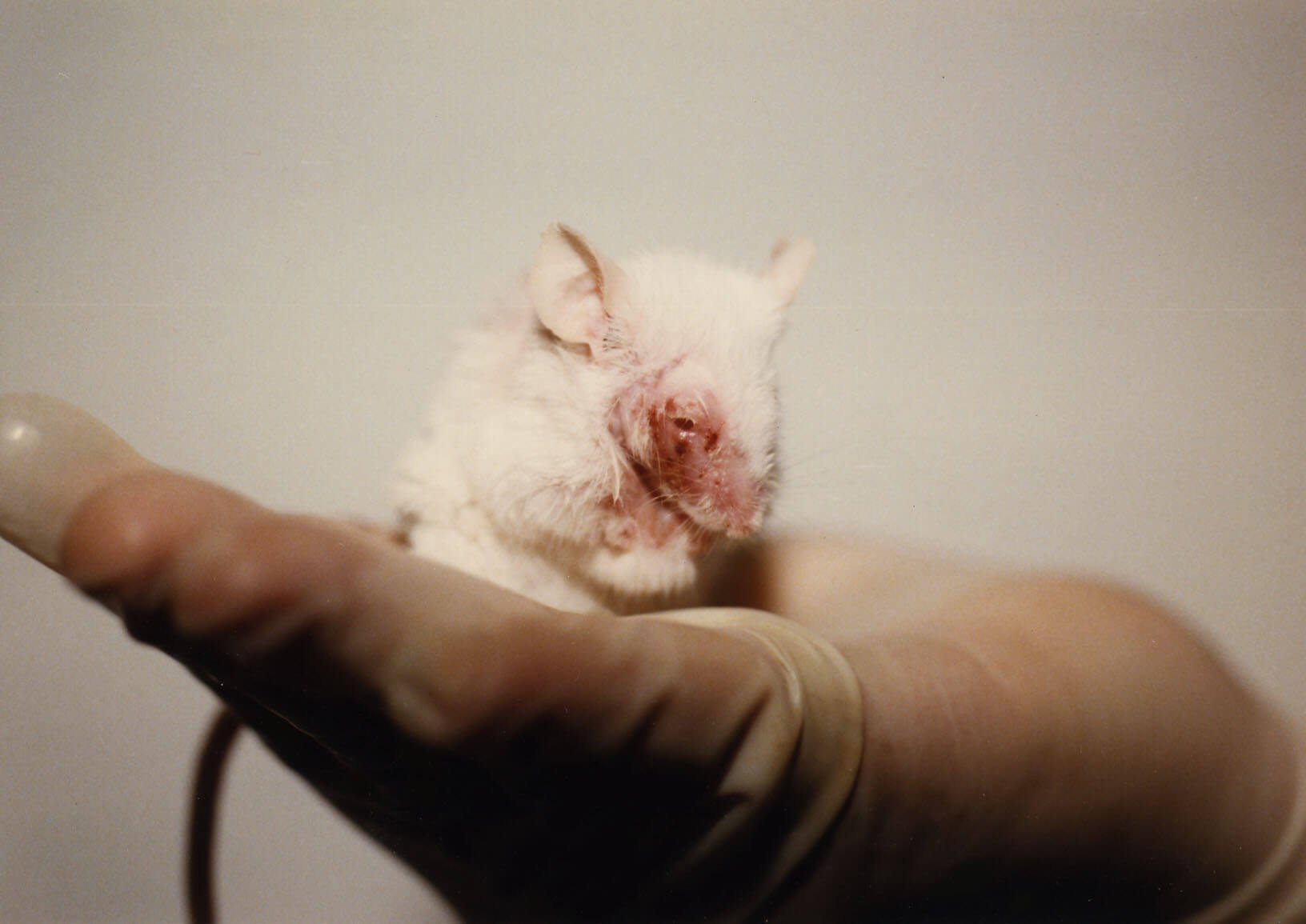
Skin sensitization tests assess whether a chemical causes allergic reactions. In these tests, chemicals are applied to an animal's skin to observe any adverse reactions. Rabbits, guinea pigs, and mice are commonly used. These tests are highly stressful and painful for the animals involved.
Acute Toxicity
Acute toxicity tests measure the harmful effects of a substance following a short-term exposure. Animals are subjected to chemicals through ingestion, skin application, or inhalation. They are then monitored for signs of poisoning over a specified period. This test often results in severe suffering and death.
Draize Test
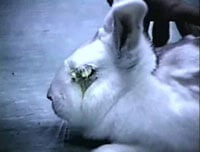
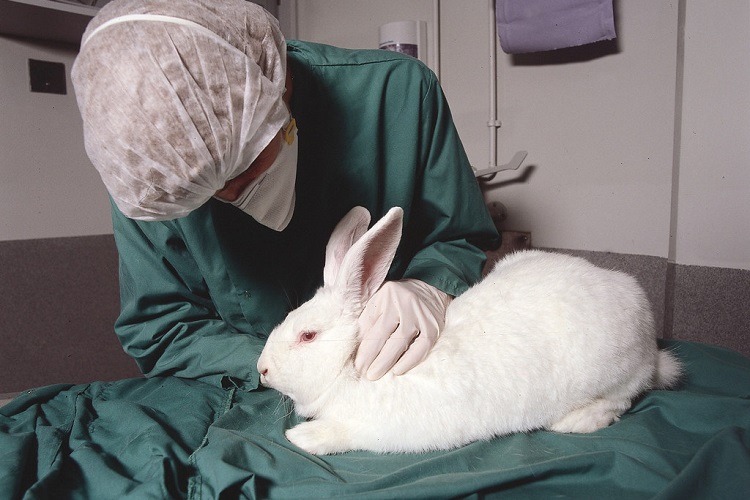
The Draize test is perhaps one of the most controversial. It involves applying chemicals to the eyes of rabbits to assess irritation and damage. Due to their large eyes and docile nature, rabbits are commonly chosen for this test. The procedure causes significant pain and distress and has been widely criticized for its inhumanity.
Chronic Toxicity
Chronic toxicity tests evaluate the effects of long-term exposure to a substance. Animals are exposed to chemicals over weeks or months, and their health is monitored for signs of chronic conditions such as cancer. These tests are particularly grueling as they involve prolonged suffering.
Ethical Considerations
The ethical concerns surrounding these tests are significant. Animals experience severe pain, stress, and ultimately death. The conditions in which they are kept are often poor, leading to additional suffering. Moreover, the relevance of these tests to human health is frequently questioned, as animal biology differs significantly from humans.
Alternatives to Animal Testing
There are several alternatives to these inhumane tests. In-vitro methods, which use human cells and tissues, provide reliable and humane options. Computer models and simulations can predict the toxicity and efficacy of substances without involving animals. These alternatives not only reduce animal suffering but also often provide more accurate results.
Conclusion
The common tests conducted on animals for cosmetics are fraught with ethical issues and scientific limitations. With the availability of alternative methods, the continued use of animals in these tests is increasingly unjustifiable. Advocacy for cruelty-free practices and support for legislative changes are crucial in the fight to end animal testing in cosmetics.