Wednesday, August 7, 2024

The Ethical Debate Around Animal Testing in Cosmetics


Summary:

This blog explores the ethical considerations surrounding animal testing in the cosmetics industry. It examines the arguments for and against animal testing, the impact on animal welfare, and the growing movement towards cruelty-free practices. The post aims to provide a balanced view of the ethical debate and highlight the importance of finding humane alternatives.

Body:

The ethical debate around animal testing in cosmetics is complex and multifaceted, involving a range of considerations about animal welfare, scientific necessity, and consumer safety. On one side of the debate are those who argue that animal testing is necessary to ensure the safety of cosmetic products for human use. They contend that without these tests, there would be a greater risk of harmful reactions and long-term health effects.

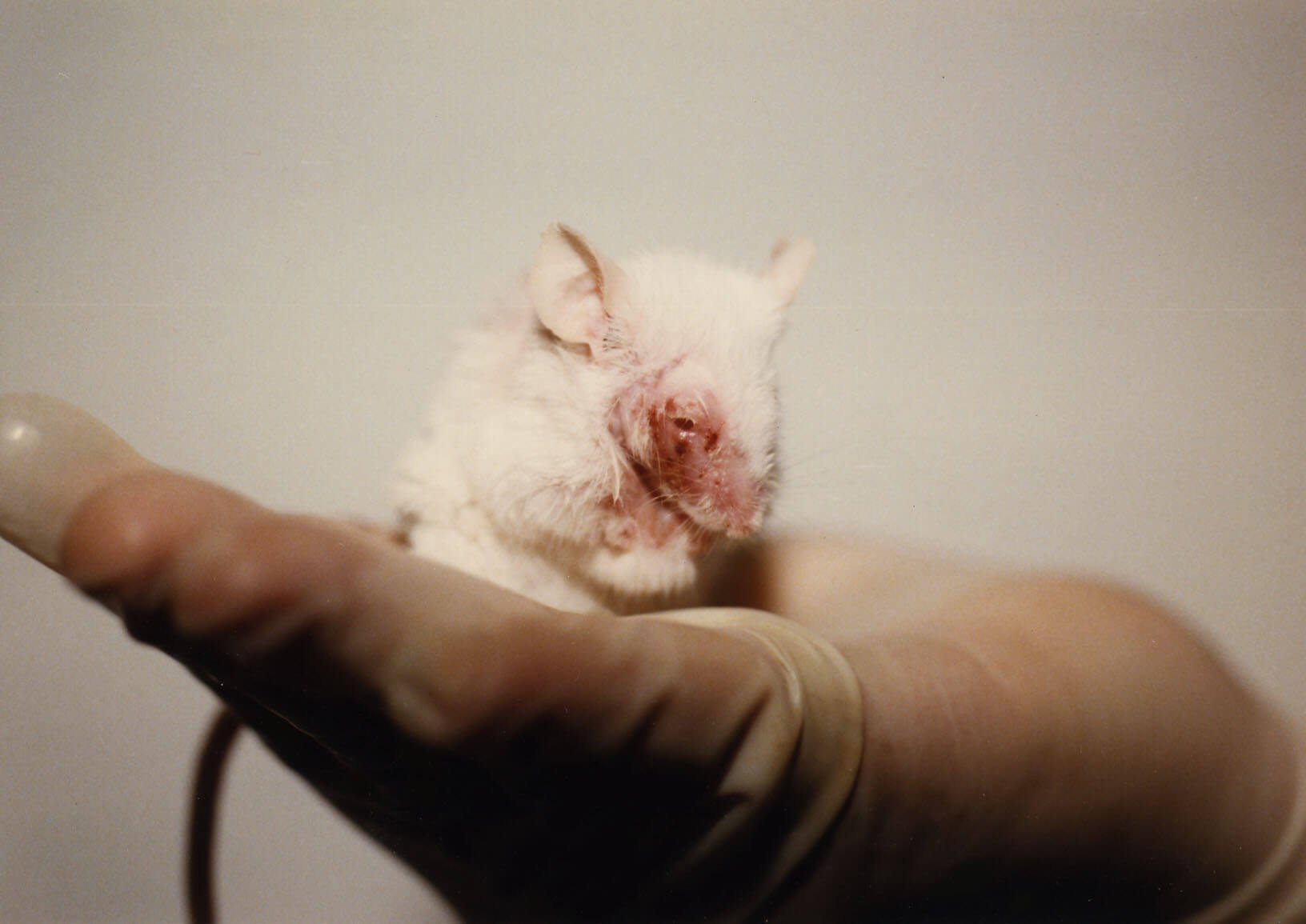
However, opponents of animal testing argue that the practice is inherently cruel and inhumane. Animals used in testing are subjected to significant pain and suffering, often resulting in long-term physical and psychological damage. Critics also point out that animals are often kept in small cages, deprived of social interaction, and subjected to repeated testing procedures, all of which contribute to their suffering.

Moreover, there is growing evidence that animal tests are not always reliable predictors of human reactions. Animals and humans often react differently to substances, making it difficult to extrapolate results from animal tests to human outcomes. This has led to calls for the development and adoption of alternative testing methods that do not involve animals.

The ethical debate is also influenced by cultural and societal values. In many Western countries, there is growing public opposition to animal testing, driven by increased awareness of the ethical issues involved. This has led to legislative changes, such as the European Union’s ban on animal-tested cosmetics, and the introduction of similar bans in other countries.
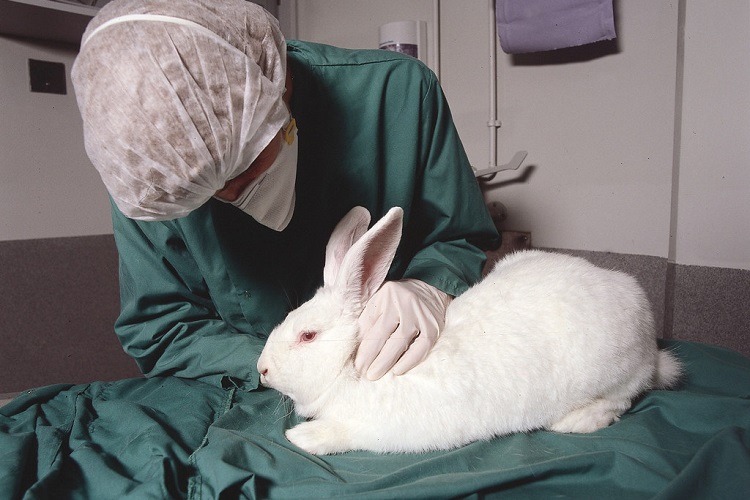
The movement towards cruelty-free cosmetics is gaining momentum, driven by consumer demand for ethical and sustainable products. Many companies are now adopting cruelty-free practices, using alternative testing methods such as in vitro testing and computer models. These methods are not only more humane but also often more cost-effective and reliable than traditional animal tests.

The ethical debate around animal testing in cosmetics is far from settled, but there is a growing consensus that alternative methods should be prioritized wherever possible. By supporting cruelty-free brands and advocating for legislative changes, consumers can help drive the industry towards more humane practices.

Thursday, June 6, 2024

Common Tests Conducted on Animals for Cosmetics


Introduction

Animal testing in cosmetics involves a range of procedures designed to evaluate the safety and efficacy of products and ingredients. This blog explores the common types of tests conducted on animals, their impact, and the ethical considerations surrounding them.

Skin Absorption or Dermal Penetration

One of the most common tests is the dermal penetration test, used to determine how a substance penetrates the skin and what happens once it is absorbed. Typically, rats have their backs shaved, and chemicals are applied to their skin. The animals are later euthanized for tissue analysis. This test is not only painful but also often unnecessary given the availability of alternative methods.


Skin Sensitization

Skin sensitization tests assess whether a chemical causes allergic reactions. In these tests, chemicals are applied to an animal's skin to observe any adverse reactions. Rabbits, guinea pigs, and mice are commonly used. These tests are highly stressful and painful for the animals involved.

Acute Toxicity

Acute toxicity tests measure the harmful effects of a substance following a short-term exposure. Animals are subjected to chemicals through ingestion, skin application, or inhalation. They are then monitored for signs of poisoning over a specified period. This test often results in severe suffering and death.

Draize Test

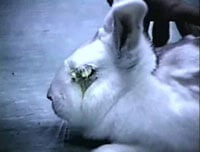
The Draize test is perhaps one of the most controversial. It involves applying chemicals to the eyes of rabbits to assess irritation and damage. Due to their large eyes and docile nature, rabbits are commonly chosen for this test. The procedure causes significant pain and distress and has been widely criticized for its inhumanity.

Chronic Toxicity

Chronic toxicity tests evaluate the effects of long-term exposure to a substance. Animals are exposed to chemicals over weeks or months, and their health is monitored for signs of chronic conditions such as cancer. These tests are particularly grueling as they involve prolonged suffering.

Ethical Considerations

The ethical concerns surrounding these tests are significant. Animals experience severe pain, stress, and ultimately death. The conditions in which they are kept are often poor, leading to additional suffering. Moreover, the relevance of these tests to human health is frequently questioned, as animal biology differs significantly from humans.

Alternatives to Animal Testing

There are several alternatives to these inhumane tests. In-vitro methods, which use human cells and tissues, provide reliable and humane options. Computer models and simulations can predict the toxicity and efficacy of substances without involving animals. These alternatives not only reduce animal suffering but also often provide more accurate results.

Conclusion

The common tests conducted on animals for cosmetics are fraught with ethical issues and scientific limitations. With the availability of alternative methods, the continued use of animals in these tests is increasingly unjustifiable. Advocacy for cruelty-free practices and support for legislative changes are crucial in the fight to end animal testing in cosmetics.

Sunday, June 2, 2024

Species Suffering: Animals Most Commonly Used in Testing

Highlights:

This blog highlights the specific animals most commonly used in cosmetics testing, including rabbits, guinea pigs, mice, and rats. It discusses the reasons these animals are chosen and the specific types of suffering they endure during testing procedures. The post aims to shed light on the widespread suffering involved in these tests and advocate for alternative methods.


In the realm of cosmetics testing, certain animals are more commonly used due to their size, temperament, and biological makeup. The most frequently used animals include rabbits, guinea pigs, mice, and rats.

Rabbits are often chosen for eye and skin irritation tests because of their large eyes and inability to produce tears. This makes them particularly vulnerable to substances applied during the Draize test, often resulting in severe pain, redness, and swelling.


Guinea pigs are commonly used for skin sensitization tests, where chemicals are applied to their shaved skin to check for allergic reactions. These tests can cause severe inflammation and discomfort, leaving the animals in considerable distress.


Mice and rats are the primary subjects for acute toxicity tests, such as the LD50 test. These animals are force-fed, inhaled, or injected with substances to determine the lethal dose, resulting in pain, convulsions, and death. These tests are not only cruel but also criticized for their lack of relevance to human health outcomes.


The suffering these animals endure during testing is significant. They are often kept in small cages, deprived of social interaction, and subjected to repeated testing procedures. The conditions they live in can cause additional stress and suffering, compounding the cruelty of the tests themselves.

Despite the widespread use of these animals, there is growing recognition of the ethical issues involved. Many animal rights organizations are campaigning for an end to animal testing in cosmetics, advocating for alternative methods that do not involve animal suffering.

The History of Animal Testing in Cosmetics


Introduction

Animal testing in cosmetics has a long and controversial history. Understanding this history is essential to appreciate the progress made and the challenges that remain. This blog delves into the origins, evolution, and current state of animal testing in the cosmetic industry.

Early Beginnings

The roots of animal testing in cosmetics can be traced back to the early 20th century. As the cosmetic industry began to flourish, the need to ensure product safety became paramount. This led to the development of various testing methods, including the notorious Draize test in the 1940s, where chemicals were applied to the eyes or skin of rabbits to assess irritation.


Mid-20th Century Developments

During the mid-20th century, animal testing became more standardized. The cosmetic industry's rapid growth resulted in an increased demand for safety testing. This period saw the establishment of numerous animal testing protocols aimed at ensuring that products were safe for human use. However, these tests often involved significant animal suffering and led to growing public concern.

Rise of Ethical Concerns

The 1980s and 1990s marked a turning point as awareness of animal rights began to rise. Activists and organizations such as PETA and Cruelty-Free International campaigned vigorously against animal testing. Public protests, awareness campaigns, and the publication of disturbing images and videos from testing laboratories brought the issue into the spotlight.

Legislative Changes

The growing public outcry led to significant legislative changes in the late 20th and early 21st centuries. In 2004, the European Union introduced a ban on animal testing for cosmetic products, followed by a ban on the sale of animal-tested cosmetics in 2013. This landmark decision set a precedent and inspired other countries to consider similar legislation.

Global Perspective

Despite progress in some regions, animal testing remains a common practice in many parts of the world. In the United States, while there are no federal bans, some states like California have implemented their own restrictions. China, on the other hand, mandates animal testing for foreign cosmetics, though recent reforms have introduced some exemptions for non-special use cosmetics.

Technological Advances

The development of alternative testing methods has played a crucial role in reducing reliance on animal testing. In-vitro testing, using human cells and tissues, has proven to be a reliable and humane alternative. Additionally, advancements in computer modeling and other in-silico methods have further decreased the need for animal subjects.

The Road Ahead

The journey towards a completely cruelty-free cosmetic industry is ongoing. While significant progress has been made, millions of animals are still used in testing worldwide. Continued advocacy, research into alternative methods, and stricter regulations are essential to achieving this goal.


Conclusion

The history of animal testing in cosmetics is a testament to the evolving understanding of ethics and scientific practices. From its early beginnings to the current push for cruelty-free alternatives, the journey highlights the importance of continued efforts to end animal suffering. By supporting cruelty-free brands and advocating for legislative changes, consumers can play a pivotal role in shaping a more humane future for the cosmetic industry.

Saturday, June 1, 2024

The Dark Side of Beauty: An Overview of Animal Testing in Cosmetics

Introduction

The beauty industry, a multi-billion-dollar behemoth, is often associated with glamour and allure. However, behind this facade lies a darker reality: the widespread use of animal testing. Despite advancements in science and technology, animal testing remains a prevalent practice in the cosmetic industry. This blog provides an overview of animal testing, its implications, and the ongoing fight to end this practice.


Historical Context

Animal testing in cosmetics began in the early 20th century as a means to ensure product safety. The infamous Draize test, developed in the 1940s, involves applying substances to the eyes or skin of rabbits to observe potential irritation or damage. Despite the cruelty involved, this and other tests became standard practice for assessing the safety of new cosmetic products and ingredients.

Current Practices

Today, millions of animals, including rabbits, mice, rats, and guinea pigs, are subjected to various forms of testing. These animals endure painful procedures, such as force-feeding, skin application of chemicals, and inhalation of toxic substances. After the tests, many are euthanized. The primary goal is to evaluate potential risks like skin irritation, eye damage, and toxicity.

Ethical Concerns

The ethical implications of animal testing are profound. Animals used in laboratories suffer immensely, living in confined spaces and enduring painful procedures without any form of anesthesia. Critics argue that this is not only cruel but also unnecessary, given the availability of alternative testing methods.


The Leaping Bunny Logo is your guarantee that a product hasn't been tested on animals.


Ineffectiveness of Animal Testing

Moreover, animal testing is often criticized for its ineffectiveness. Animals react differently to substances compared to humans, making it difficult to accurately predict human responses. Studies have shown that up to 90% of drugs tested successfully on animals fail in human trials, raising questions about the reliability of animal testing for cosmetics as well.

Alternatives to Animal Testing

Advancements in science have paved the way for more humane and reliable alternatives. In-vitro testing, which uses human cells and tissues, provides accurate results without the need for animal subjects. Computer modeling, or in-silico methods, can simulate human biology and predict the toxicity of substances. These methods are not only more ethical but also more cost-effective and efficient.

Legislative Progress

Several countries have recognized the ethical and scientific issues surrounding animal testing and have implemented bans or restrictions. The European Union, for instance, has banned animal testing for cosmetics since 2013. Other countries, including India, Israel, and Norway, have followed suit. However, in many parts of the world, including the United States and China, animal testing remains legal and is sometimes even mandatory.

The Role of Consumers

Consumers play a crucial role in driving change. By choosing cruelty-free products and supporting brands that do not test on animals, consumers can pressure companies to adopt humane practices. Many organizations, such as Cruelty-Free International and PETA, provide resources to help consumers make informed choices.

Conclusion

The fight against animal testing in cosmetics is far from over. While progress has been made, millions of animals continue to suffer in laboratories around the world. It is imperative for consumers, policymakers, and the cosmetic industry to work together to end this cruel practice and embrace more humane and effective alternatives.


The Ethical Debate Around Animal Testing in Cosmetics

  Summary: This blog explores the ethical considerations surrounding animal testing in the cosmetics industry. It examines the arguments for...